Some plants in the news

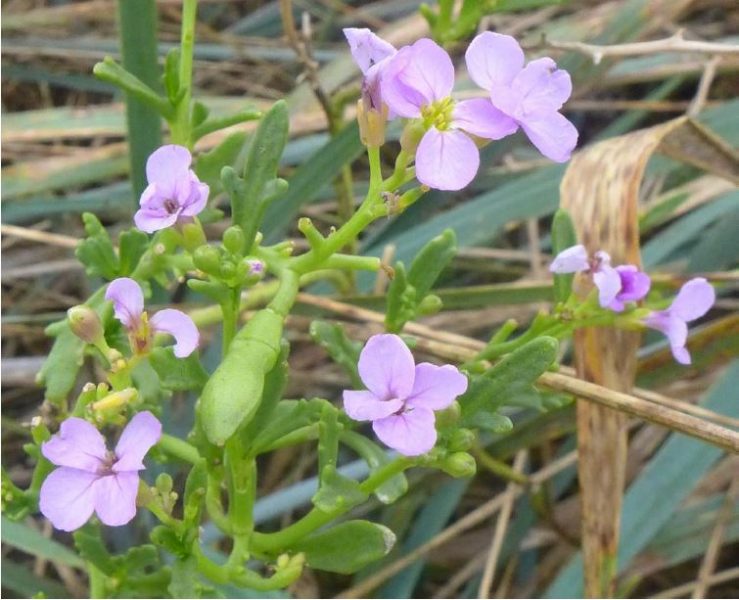
Allium ampeloprasum by Philmarin CC BY-SA 3.0

A couple of interesting plant stories have appeared in the last few weeks. Firstly, in BSBI News for Jan 2021 there are reports on two of the plants in our Rare Plant Register.

The first, is Allium ampeloprasum var. ampeloprasum (Wild Leek). Tim Rich collected and cultivated plants from the colony on Flat Holm (VC41) and determined that it never sets seed. His conclusion is that the colony is likely to be a single sterile clone of cultivated origin. As a result, he calls into question its status in the British Vascular Plant Red Data Book. He believes that both the Flat Holm and Steep Holm (VC6) colonies are likely to be relics of cultivation.

The second species, Lythrum hyssopifolia (Grass-poly), has been re-found after an absence of over 100 years by the Norfolk Pond Project following pond restoration. This species has always been very rare in the UK. Before you rush out to hunt for it in Somerset you should read the RPR account.

And finally, the ultimate gall  –  a newly described fungus from Guyana that mimics a flower – as described on the the excellent botanical blog “In Defense of Plants”.

Additions to RPR – March

Glaucium flavum at Stert Point (2012). Photo: HJC

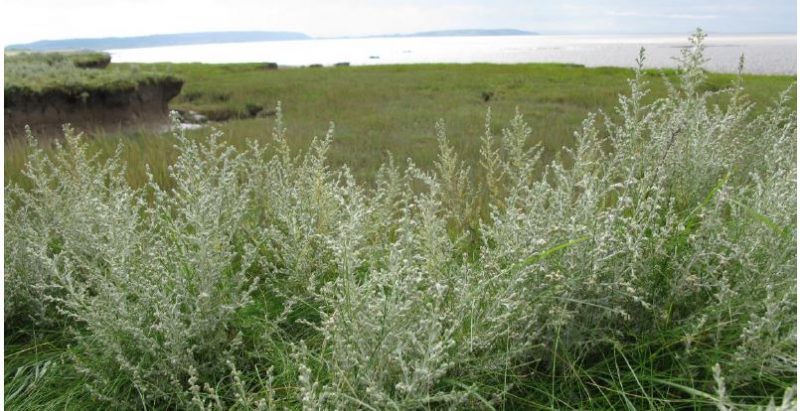
Another handful of rare plant accounts have been added to the Rare Plant Register this month. They are Carex extensa (Long-bracted Sedge), Cerastium arvense (Field Mouse-ear), Glaucium flavum (Yellow Horned-poppy), Ononis spinosa (Spiny Restharrow), and Polygonum oxyspermum subsp. raii (Ray’s Knotgrass) .

Somerset Stoneworts

Stoneworts, or Charophytes, are structurally complex green algae which thrive in relatively unpolluted freshwater habitats. Nick Stewart, BSBI’s Charophyte referee, has put together a register of the 15 species occurring in Somerset, see the Rare Plant Register menu. The ditches of the Levels are the main area of interest in Somerset, which hold the largest UK populations of Great Tassel Stonewort (Tolypella prolifera).

An excellent written introduction to the group and their habitat needs is available in Nick’s report on Important Stonewort Areas for Plantlife. There are also links to presentations and an identification key on the BSBI Charophyte page and a Stonewort Identification video on the BSBI Aquatic Plants Project page.

Further accounts of coastal rarities

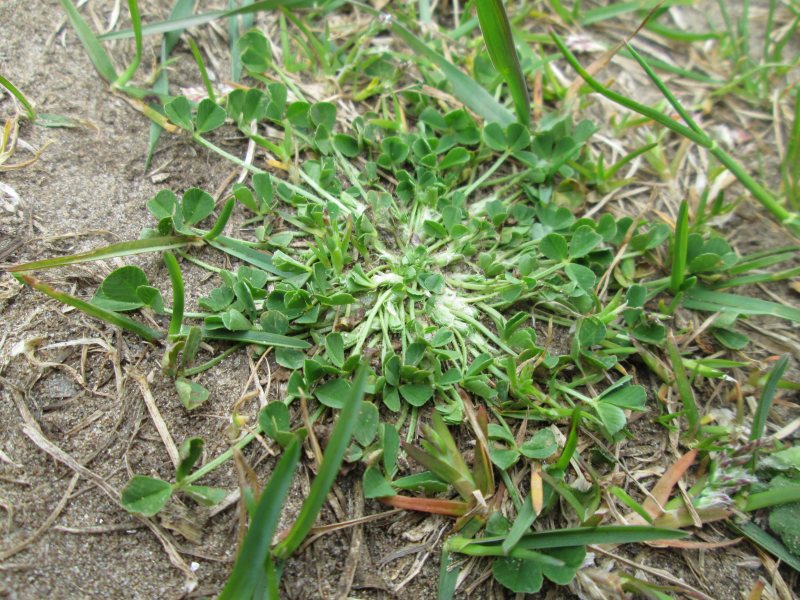
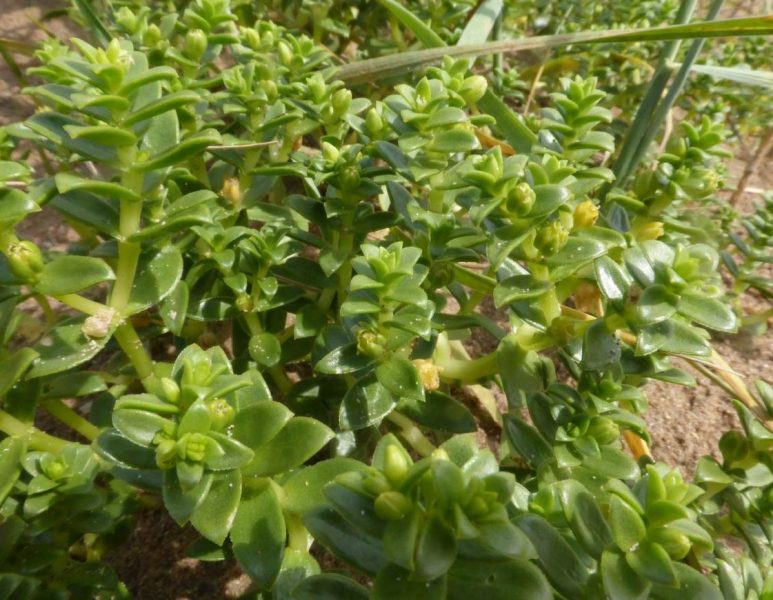
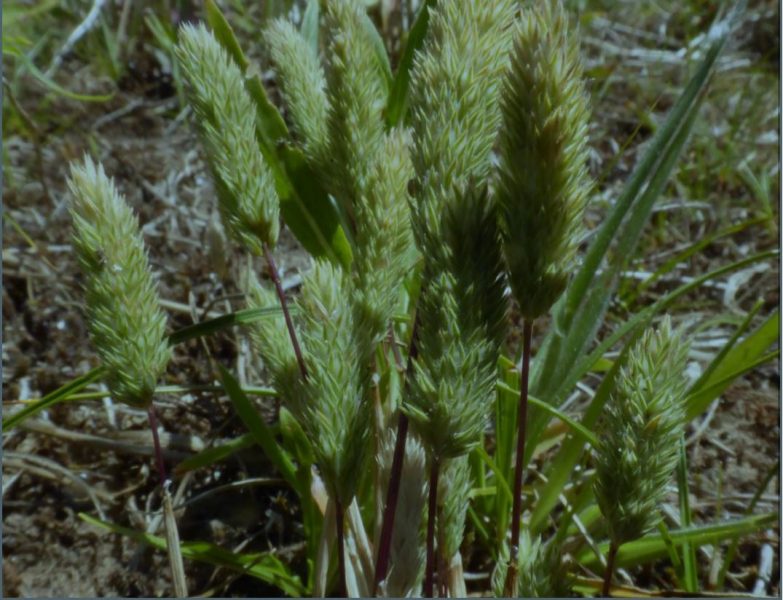
Another five accounts of Somerset coastal specialists have been added to the Rare Plant Register: Honckenya peploides (Sea Sandwort), Herniaria glabra (Smooth Rupturewort), Trifolium squamosum (Sea Clover), Trifolium suffocatum (Suffocated Clover), and Phleum arenarium (Sand Cat’s-tail).

Website changes

As you can see there have been some changes. We hope that overall this will be a simpler layout of the pages and menus, which won’t require too many further changes to include new content. The “front page” will contain the latest news and announcements like this one. The mistletoe and first flowering sections are now under Activities > Projects. If you can’t find something use the search (magnifying glass) option on the top right of each page or contact the website manager.

Newsletter published

The 2020 newsletter is now available on the newsletters page. To quote Dee, “It was pretty epic so I made two files. Part 1 is Reports, Part 2 is Articles. Hoping people will be able to find their way around it!”. Many thanks to Dee for her hard work in producing this record of the year of lockdown and to all the members who contributed.